Understanding the Benefits of Artificial Grass for Homeowners
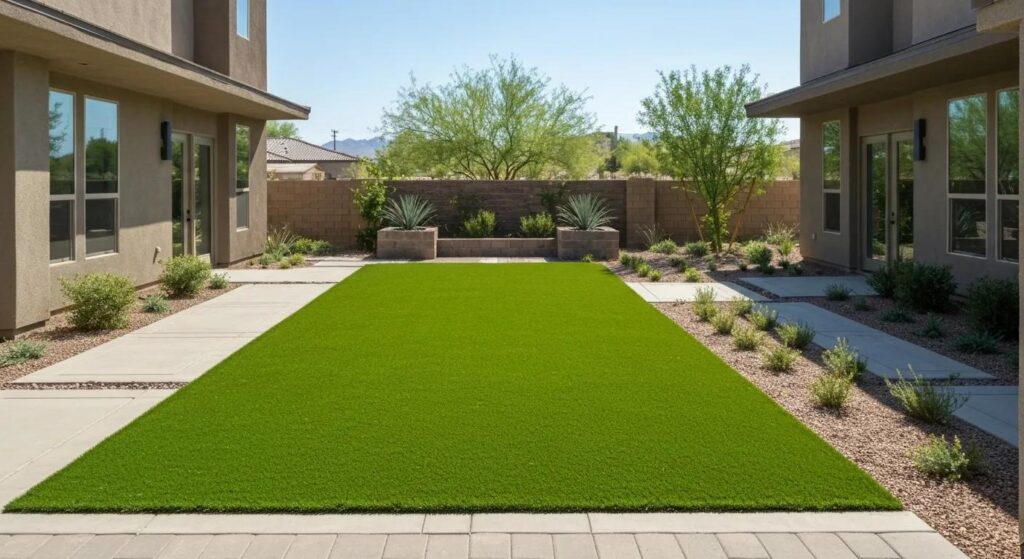
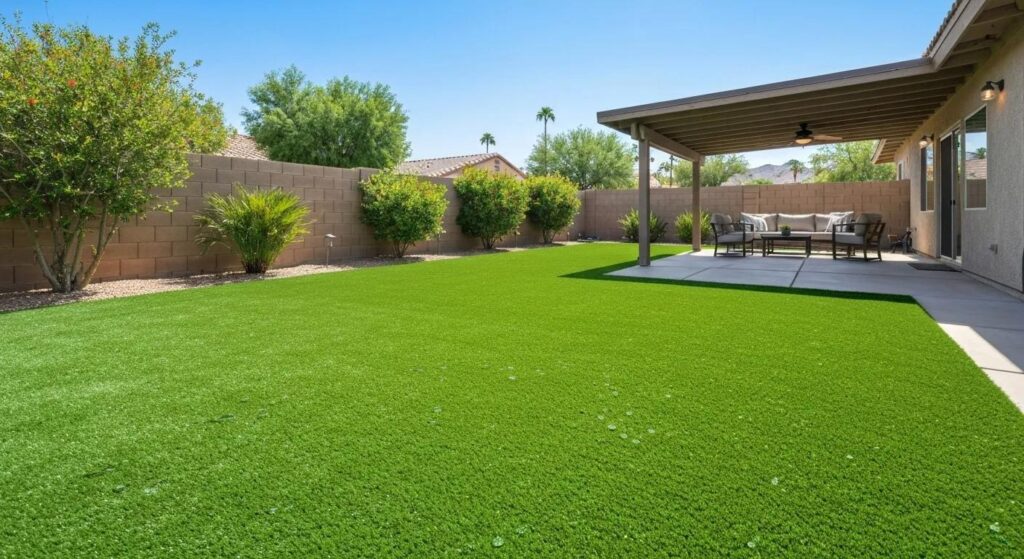
Artificial grass offers numerous advantages for homeowners, including reduced water usage, minimal maintenance, and enhanced aesthetics. By choosing synthetic turf, homeowners can enjoy a lush green lawn without the hassle of mowing, fertilizing, or dealing with pests.
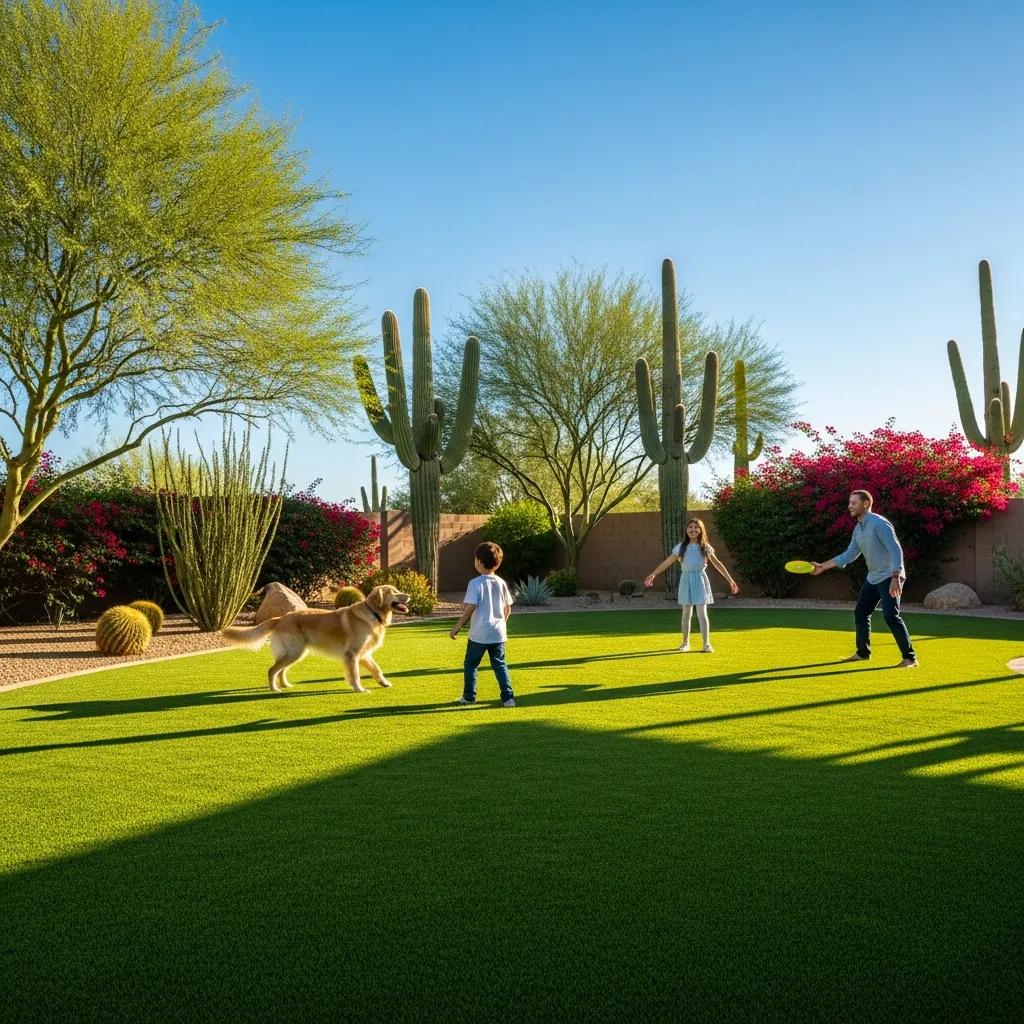
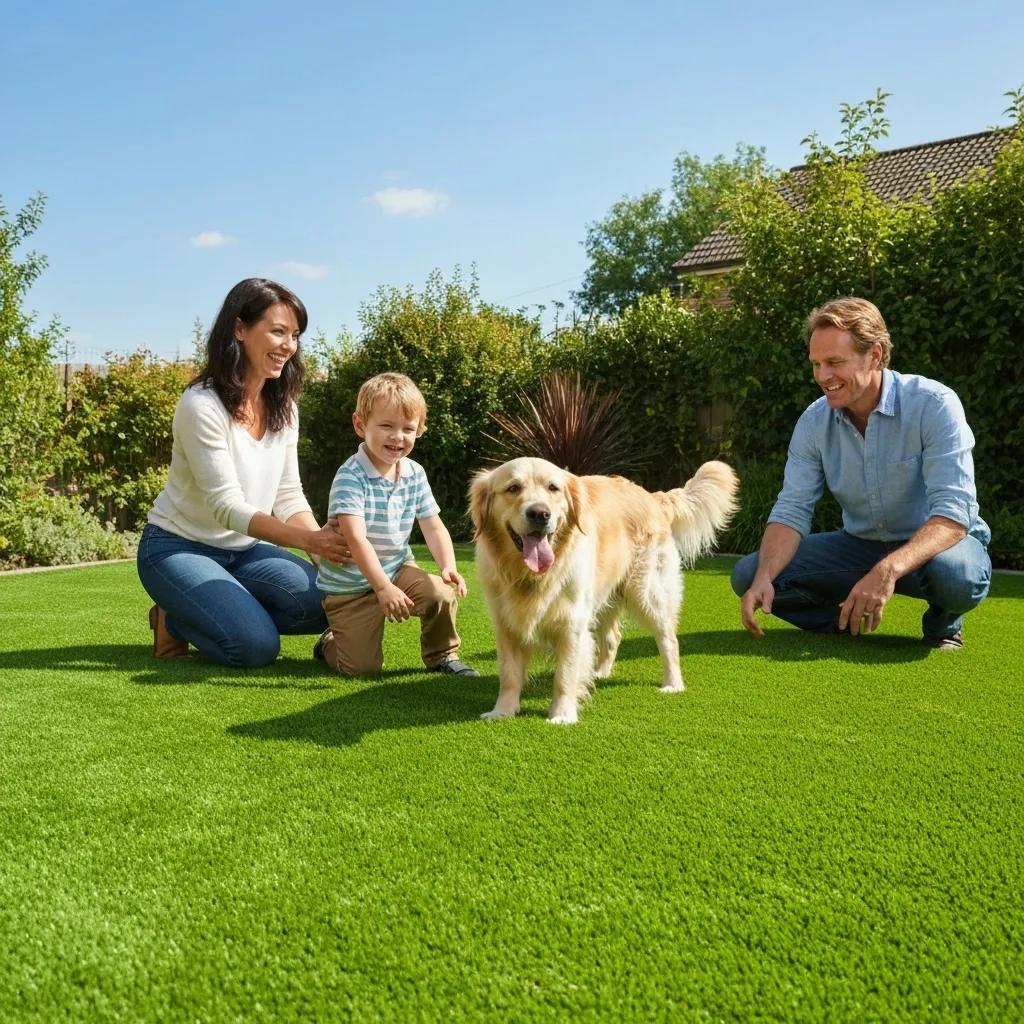
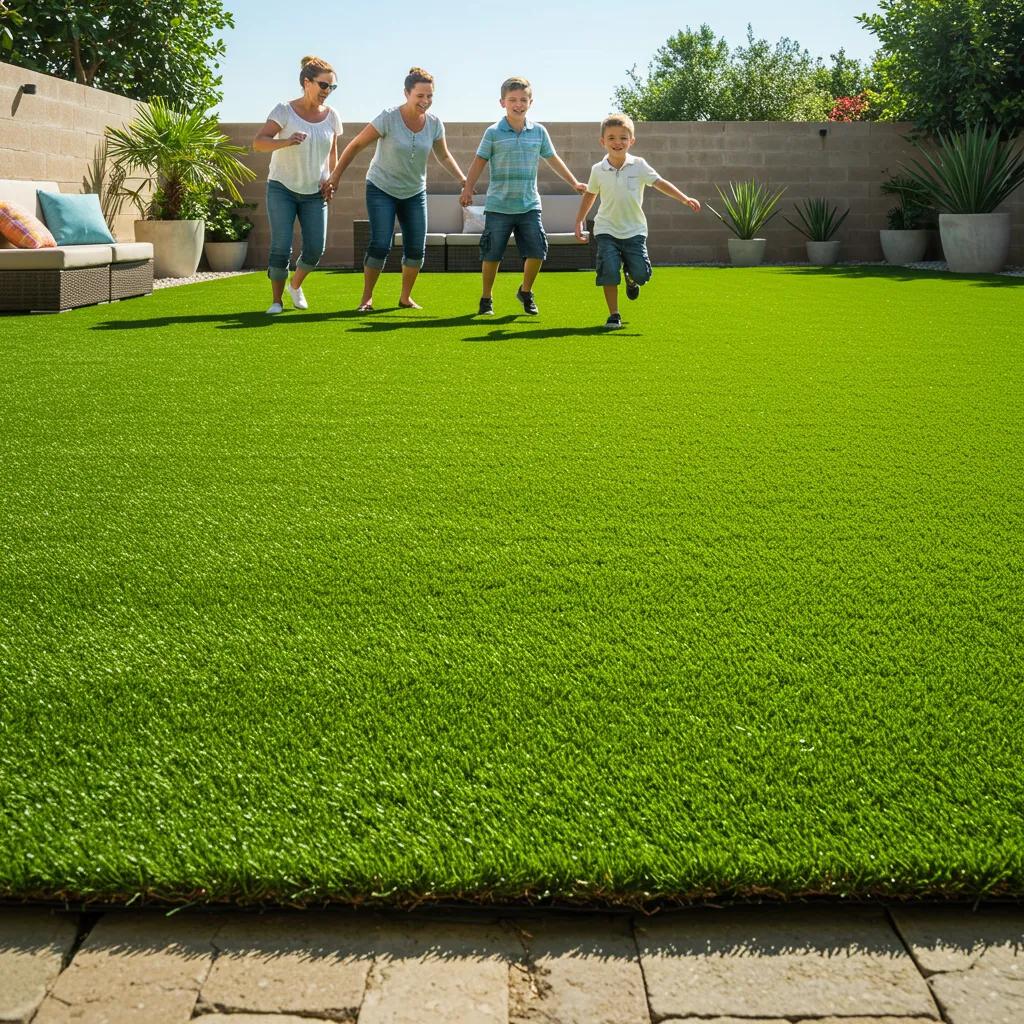
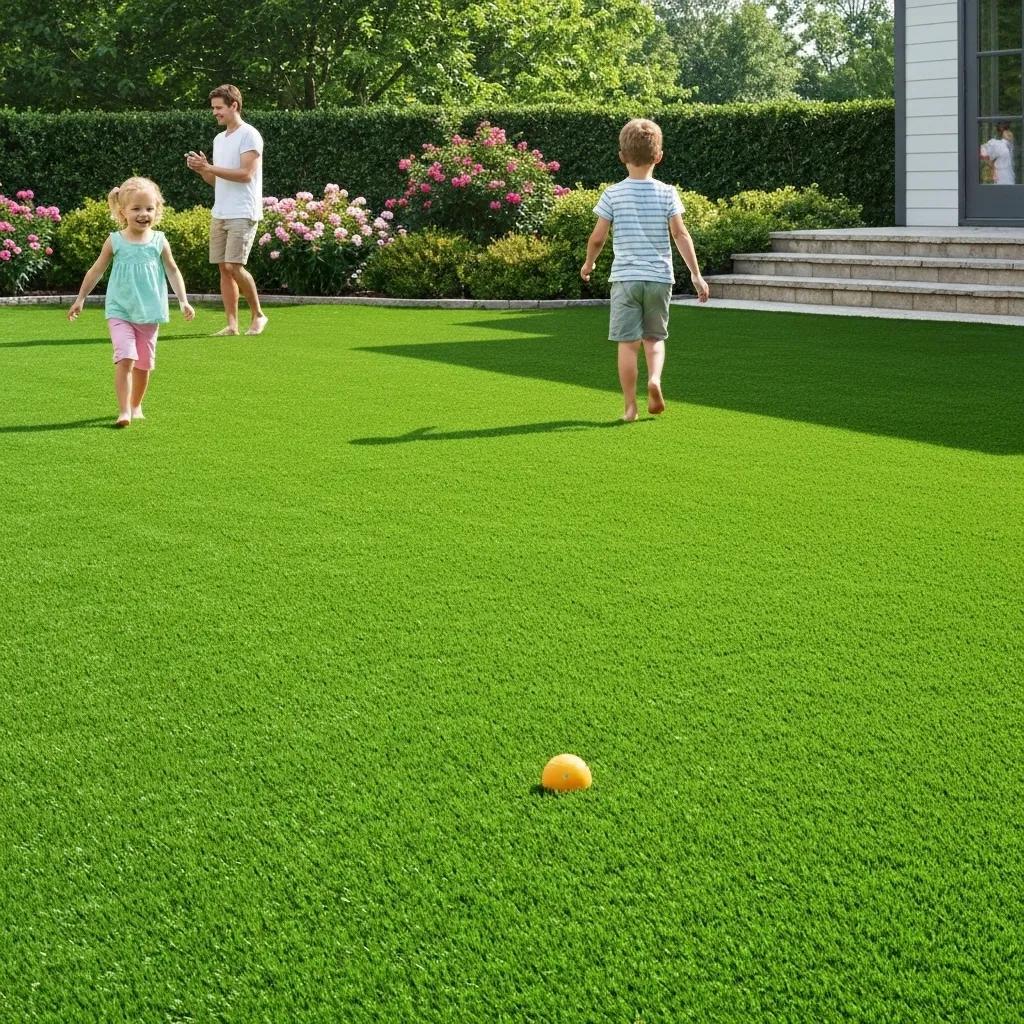
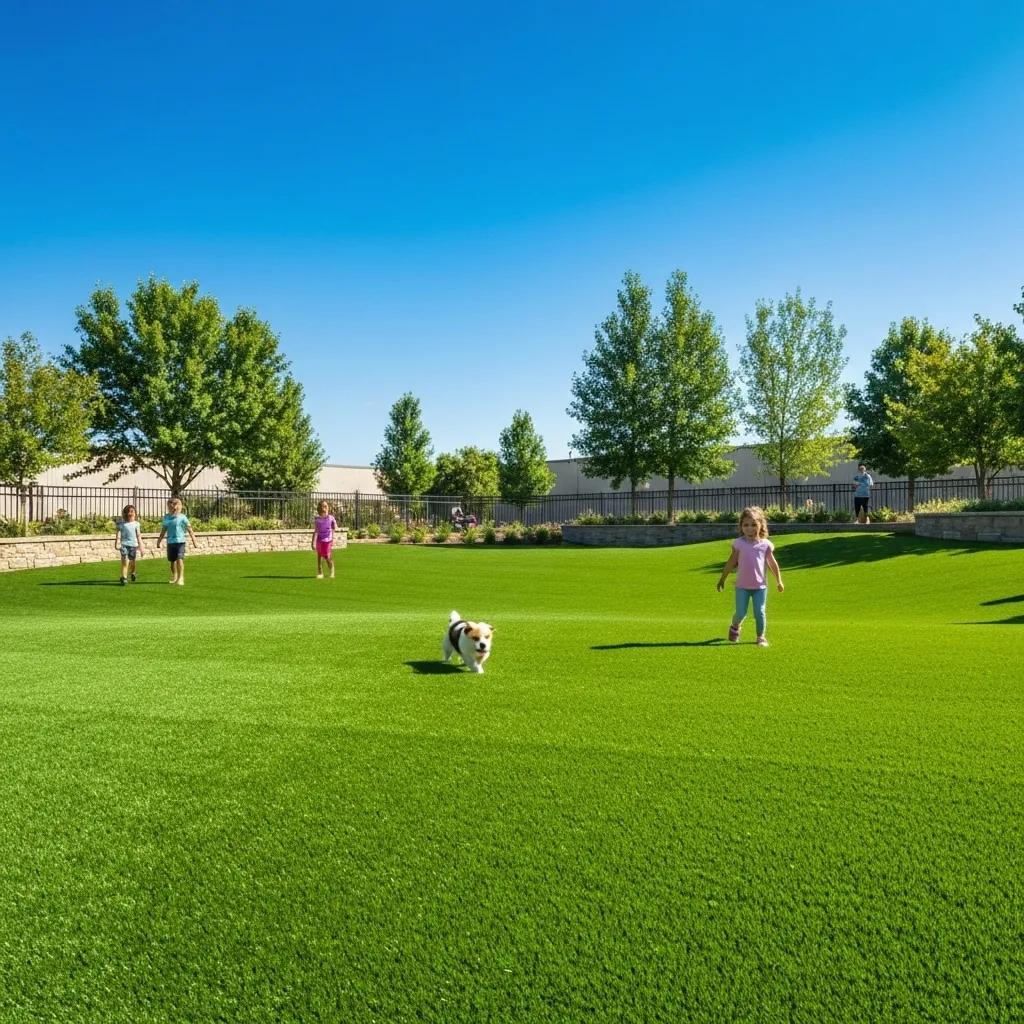
In addition to saving time and resources, artificial grass is often more durable than natural grass, making it an ideal choice for families with children or pets. Its resilience allows it to withstand heavy foot traffic and harsh weather conditions, ensuring a beautiful lawn year-round.
Eco-Friendly Aspects of Artificial Turf
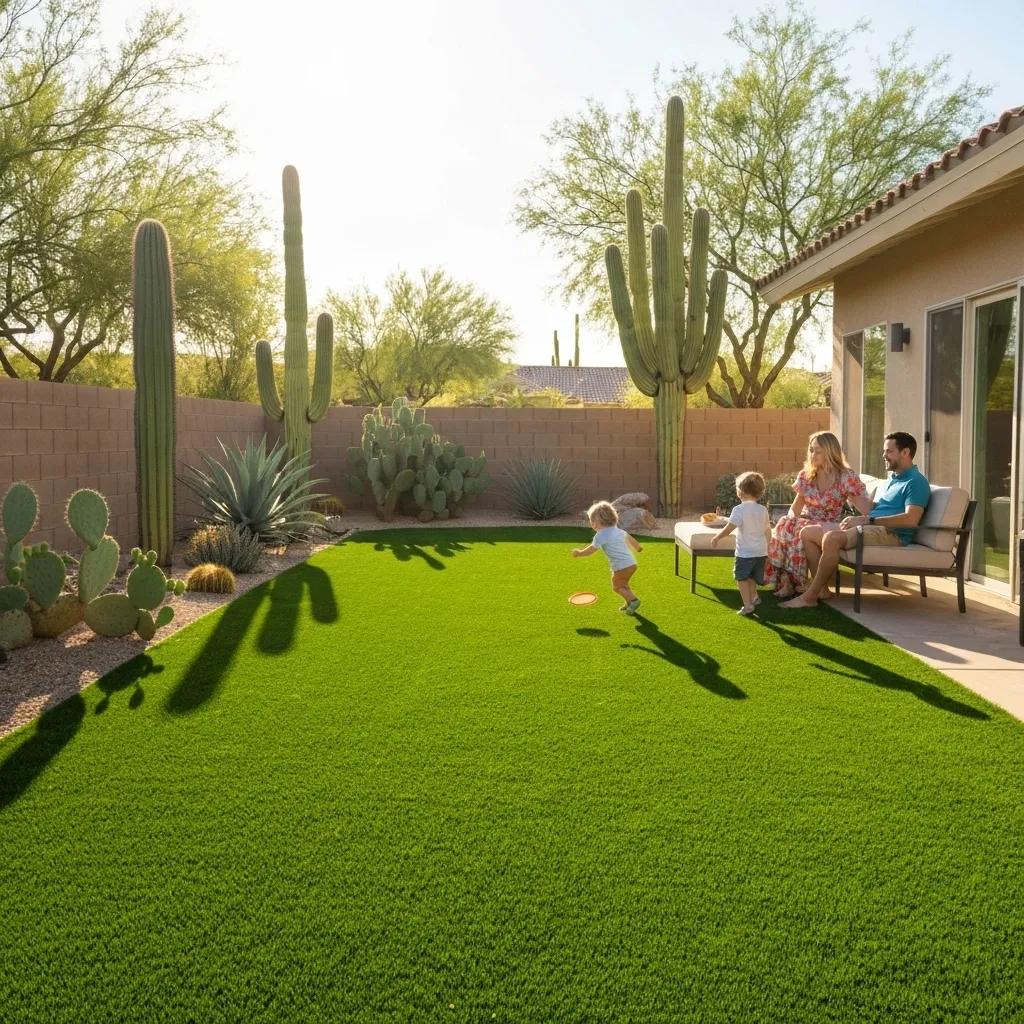
Many homeowners are concerned about the environmental impact of their landscaping choices. Artificial turf is designed to be eco-friendly, as it eliminates the need for harmful pesticides and fertilizers, which can leach into the groundwater. Furthermore, it significantly reduces water consumption, making it a sustainable option for drought-prone areas.
Modern artificial grass products are also made from recyclable materials, contributing to a circular economy. By opting for eco-friendly artificial turf, consumers can enjoy a beautiful lawn while making a positive impact on the environment.
Maintenance Tips for Artificial Grass
While artificial grass is low maintenance, it still requires some care to keep it looking its best. Regular brushing and rinsing can help remove debris and prevent the buildup of dust or dirt. Additionally, it’s important to check for any damage and address it promptly to maintain the integrity of the turf.
For pet owners, specific cleaning solutions can be used to eliminate odors and stains, ensuring that the turf remains fresh and inviting. Following these simple maintenance tips can extend the life of your artificial grass and enhance its appearance.
Comparing Costs: Artificial Grass vs. Natural Grass
When considering landscaping options, cost is a significant factor. While the initial investment in artificial grass may be higher than natural grass, the long-term savings in water bills, maintenance costs, and lawn care services can make it a more economical choice over time.
Moreover, the durability of artificial grass means that homeowners won’t have to replace it as frequently as natural grass, further contributing to cost-effectiveness. Understanding these financial aspects can help homeowners make informed decisions about their landscaping investments.
Understanding the Benefits of Artificial Grass for Homeowners
Artificial grass offers numerous advantages for homeowners, including reduced water usage, minimal maintenance, and enhanced aesthetics. By choosing synthetic turf, homeowners can enjoy a lush green lawn without the hassle of mowing, fertilizing, or dealing with pests.
In addition to saving time and resources, artificial grass is often more durable than natural grass, making it an ideal choice for families with children or pets. Its resilience allows it to withstand heavy foot traffic and harsh weather conditions, ensuring a beautiful lawn year-round.
Eco-Friendly Aspects of Artificial Turf
Many homeowners are concerned about the environmental impact of their landscaping choices. Artificial turf is designed to be eco-friendly, as it eliminates the need for harmful pesticides and fertilizers, which can leach into the groundwater. Furthermore, it significantly reduces water consumption, making it a sustainable option for drought-prone areas.
Modern artificial grass products are also made from recyclable materials, contributing to a circular economy. By opting for eco-friendly artificial turf, consumers can enjoy a beautiful lawn while making a positive impact on the environment.
Maintenance Tips for Artificial Grass
While artificial grass is low maintenance, it still requires some care to keep it looking its best. Regular brushing and rinsing can help remove debris and prevent the buildup of dust or dirt. Additionally, it’s important to check for any damage and address it promptly to maintain the integrity of the turf.
For pet owners, specific cleaning solutions can be used to eliminate odors and stains, ensuring that the turf remains fresh and inviting. Following these simple maintenance tips can extend the life of your artificial grass and enhance its appearance.
Comparing Costs: Artificial Grass vs. Natural Grass
When considering landscaping options, cost is a significant factor. While the initial investment in artificial grass may be higher than natural grass, the long-term savings in water bills, maintenance costs, and lawn care services can make it a more economical choice over time.
Moreover, the durability of artificial grass means that homeowners won’t have to replace it as frequently as natural grass, further contributing to cost-effectiveness. Understanding these financial aspects can help homeowners make informed decisions about their landscaping investments.