The Environmental Impact of Artificial Turf
Artificial turf is often praised for its eco-friendly attributes, particularly its ability to conserve water compared to natural grass. By eliminating the need for regular watering, artificial turf can significantly reduce water consumption, making it an ideal choice in drought-prone areas.
In addition to water savings, synthetic grass is made from recyclable materials, further minimizing its ecological footprint. Many modern turf products are designed to be durable and long-lasting, which means less frequent replacements and reduced waste in landfills over time.
Cost Comparison: Artificial Turf vs. Natural Grass
When considering landscaping options, the cost is a significant factor. While the initial investment for artificial turf may be higher than natural grass, the long-term savings on maintenance, watering, and fertilization can make it a more economical choice over time.
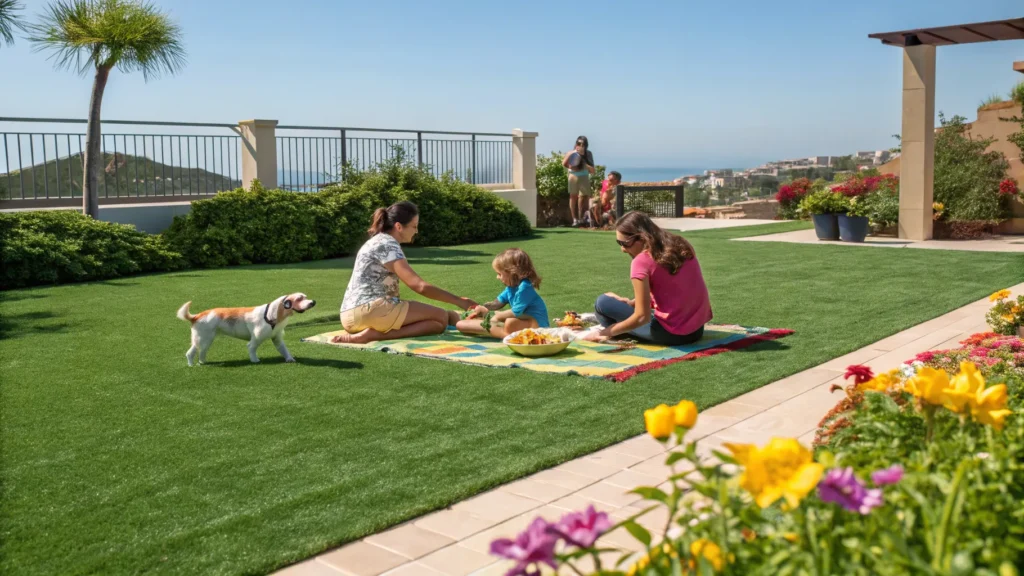
Homeowners can expect to save on lawn care services, as artificial turf requires minimal upkeep. This cost-effectiveness, combined with the aesthetic appeal of a lush, green lawn year-round, makes synthetic grass a compelling option for budget-conscious consumers.
Applications of Artificial Turf in Commercial Spaces
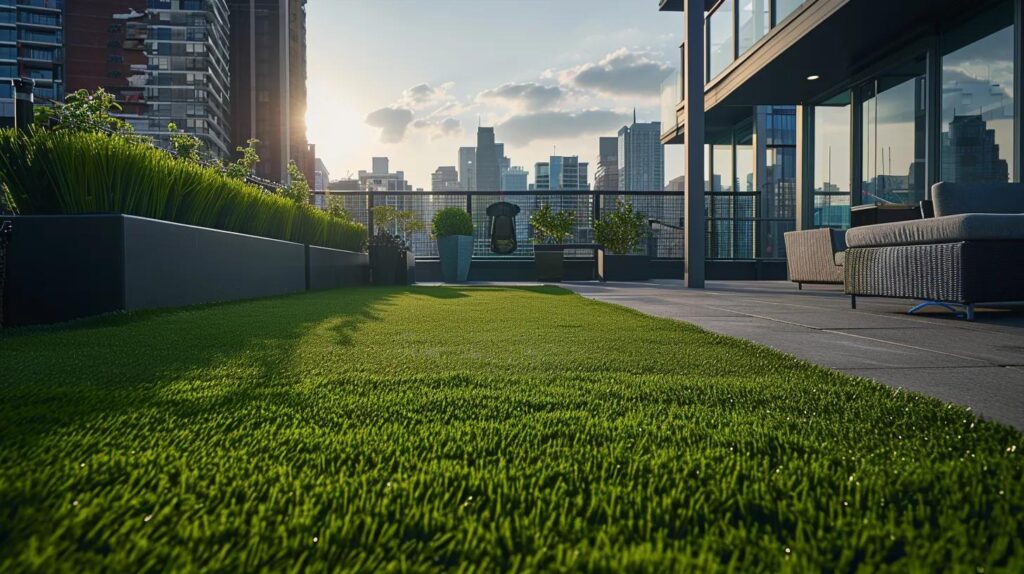
Artificial turf is not only suitable for residential lawns but also has a wide range of applications in commercial settings. Businesses such as hotels, parks, and sports facilities utilize synthetic grass to create visually appealing and functional outdoor spaces.
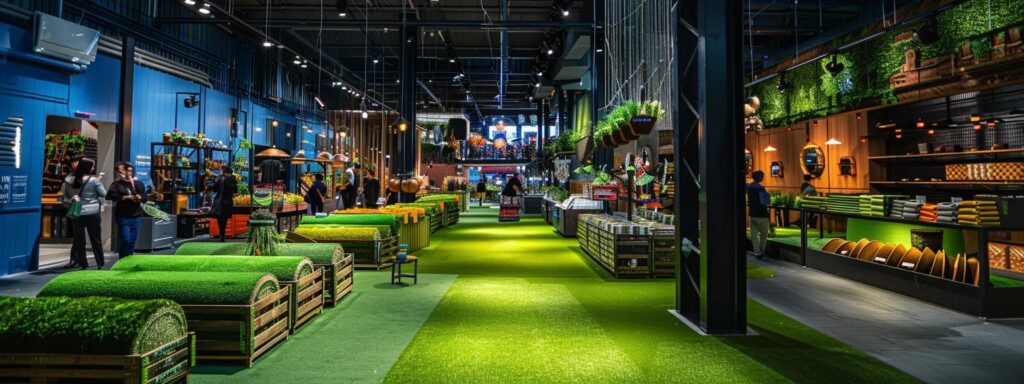
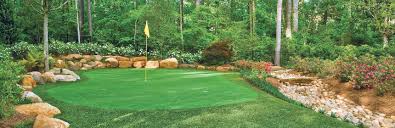
These installations can enhance the customer experience by providing attractive areas for relaxation or recreation, while also reducing maintenance costs associated with natural grass. The versatility of artificial turf allows it to be tailored to various commercial needs, from putting greens to playgrounds.
Innovations in Artificial Turf Technology
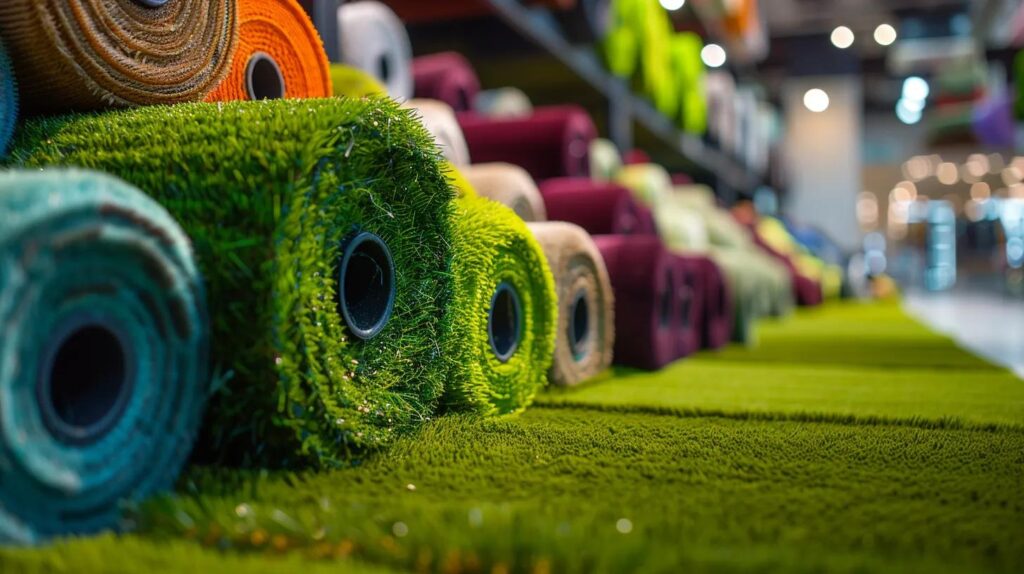
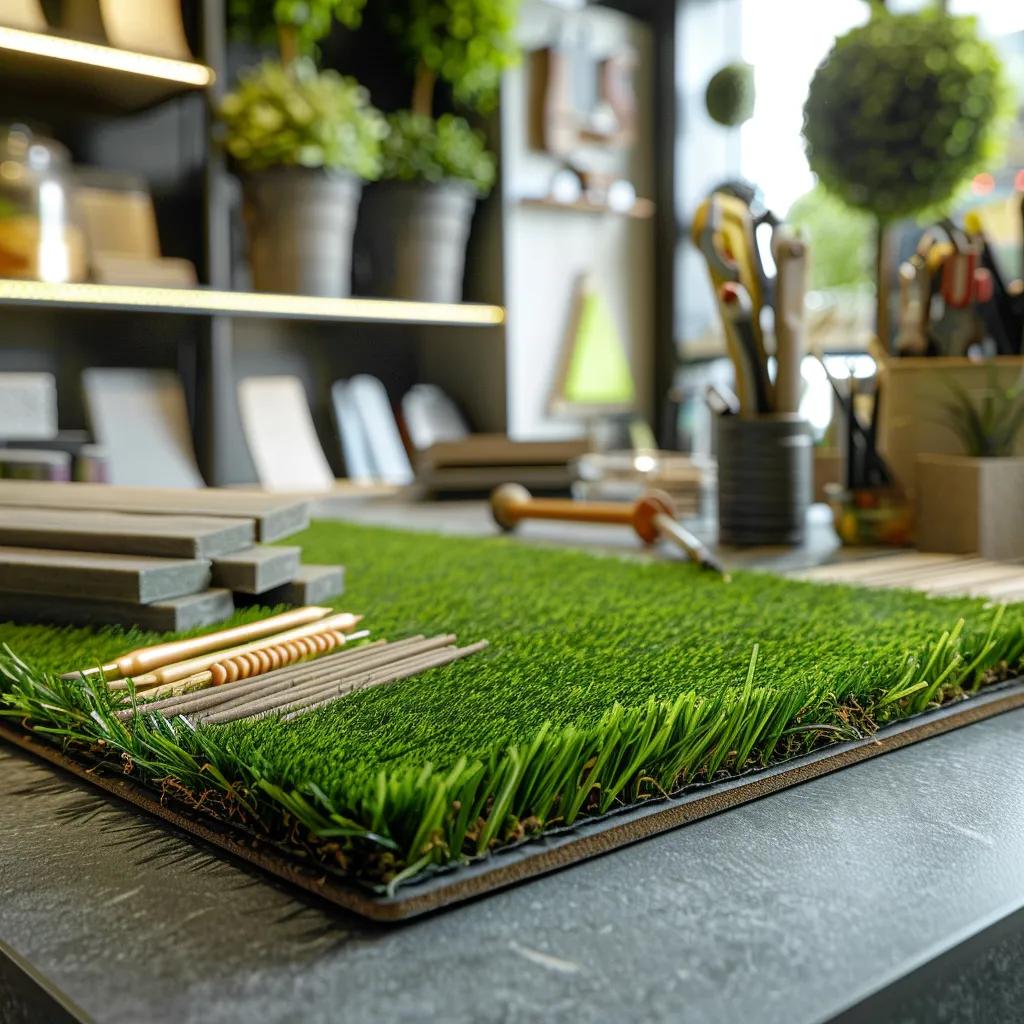
The artificial turf industry is continually evolving, with advancements in technology leading to more realistic and durable products. Innovations such as improved infill materials and advanced fiber technology enhance the look and feel of synthetic grass, making it more appealing to consumers.
These technological improvements not only increase the lifespan of artificial turf but also enhance its performance in terms of drainage, heat resistance, and UV stability. As a result, modern artificial turf solutions are designed to withstand heavy foot traffic while maintaining their aesthetic appeal.
The Environmental Impact of Artificial Turf
Artificial turf is often praised for its eco-friendly attributes, particularly its ability to conserve water compared to natural grass. By eliminating the need for regular watering, artificial turf can significantly reduce water consumption, making it an ideal choice in drought-prone areas.
In addition to water savings, synthetic grass is made from recyclable materials, further minimizing its ecological footprint. Many modern turf products are designed to be durable and long-lasting, which means less frequent replacements and reduced waste in landfills over time.
Cost Comparison: Artificial Turf vs. Natural Grass
When considering landscaping options, the cost is a significant factor. While the initial investment for artificial turf may be higher than natural grass, the long-term savings on maintenance, watering, and fertilization can make it a more economical choice over time.
Homeowners can expect to save on lawn care services, as artificial turf requires minimal upkeep. This cost-effectiveness, combined with the aesthetic appeal of a lush, green lawn year-round, makes synthetic grass a compelling option for budget-conscious consumers.
Applications of Artificial Turf in Commercial Spaces
Artificial turf is not only suitable for residential lawns but also has a wide range of applications in commercial settings. Businesses such as hotels, parks, and sports facilities utilize synthetic grass to create visually appealing and functional outdoor spaces.
These installations can enhance the customer experience by providing attractive areas for relaxation or recreation, while also reducing maintenance costs associated with natural grass. The versatility of artificial turf allows it to be tailored to various commercial needs, from putting greens to playgrounds.
Innovations in Artificial Turf Technology
The artificial turf industry is continually evolving, with advancements in technology leading to more realistic and durable products. Innovations such as improved infill materials and advanced fiber technology enhance the look and feel of synthetic grass, making it more appealing to consumers.
These technological improvements not only increase the lifespan of artificial turf but also enhance its performance in terms of drainage, heat resistance, and UV stability. As a result, modern artificial turf solutions are designed to withstand heavy foot traffic while maintaining their aesthetic appeal.