Understanding the Benefits of Synthetic Turf
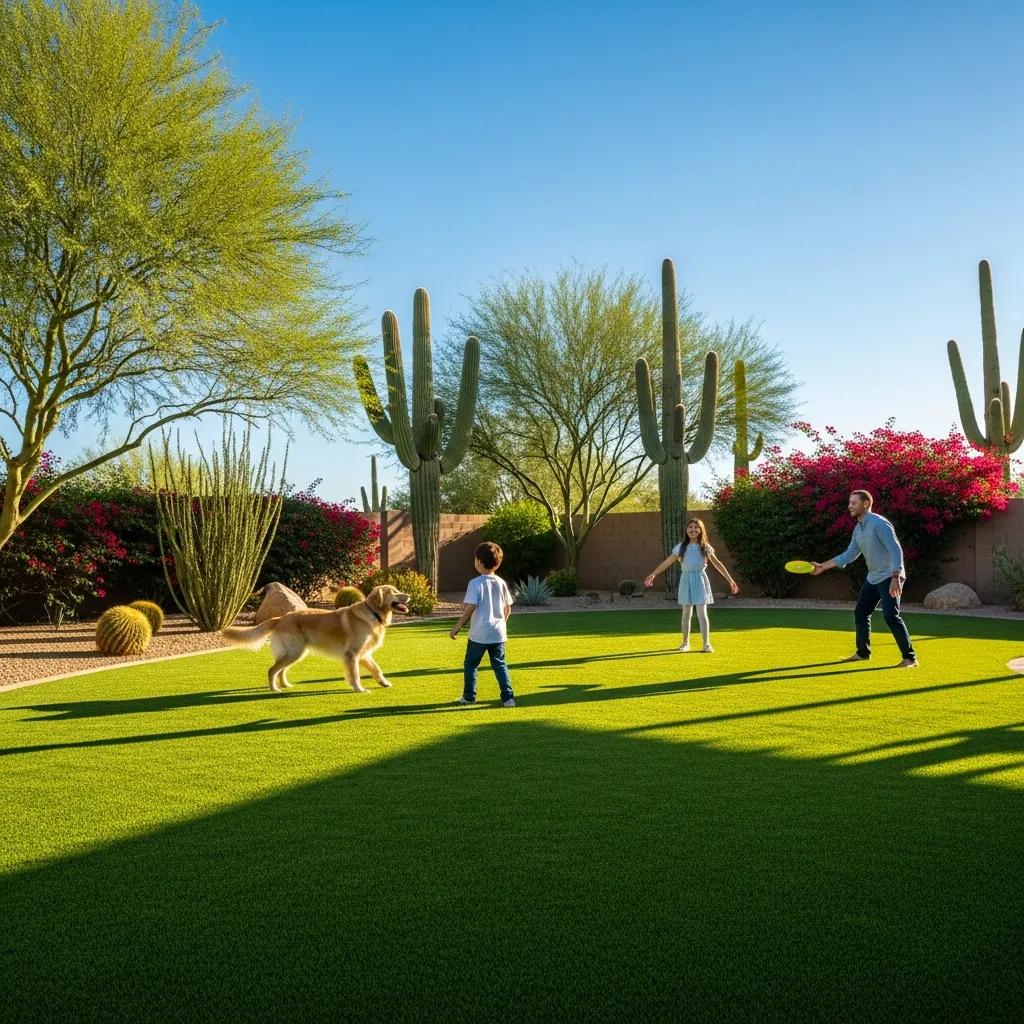
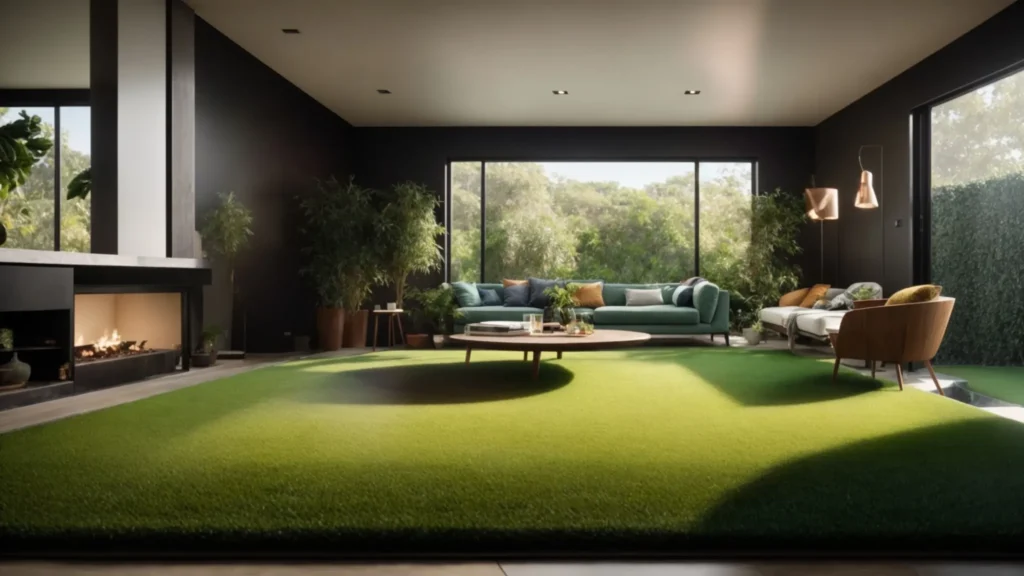
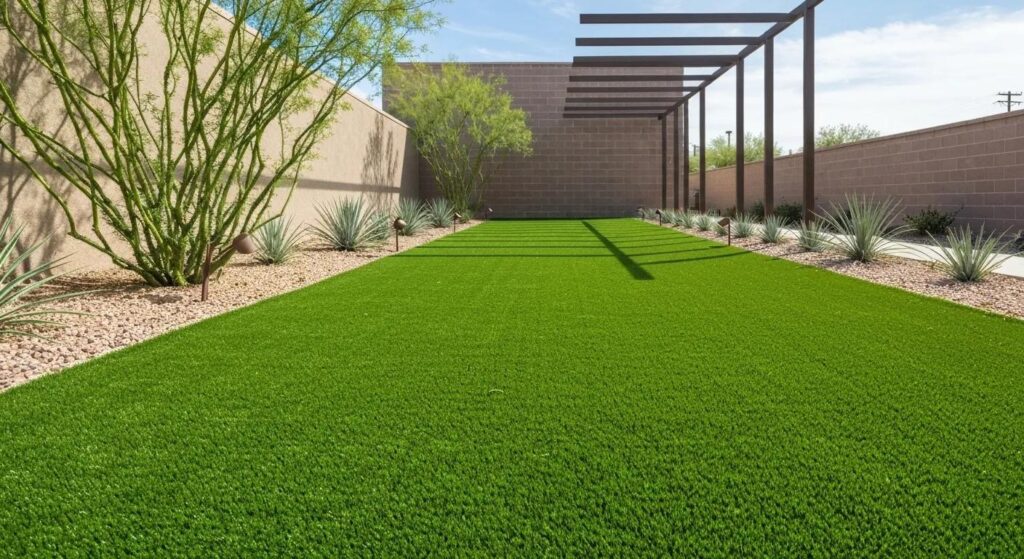
Synthetic turf offers numerous advantages over natural grass, making it an appealing choice for homeowners and businesses alike. One of the primary benefits is its low maintenance requirements, which eliminate the need for regular mowing, watering, and fertilization. This not only saves time but also reduces water consumption, making it an environmentally friendly option.
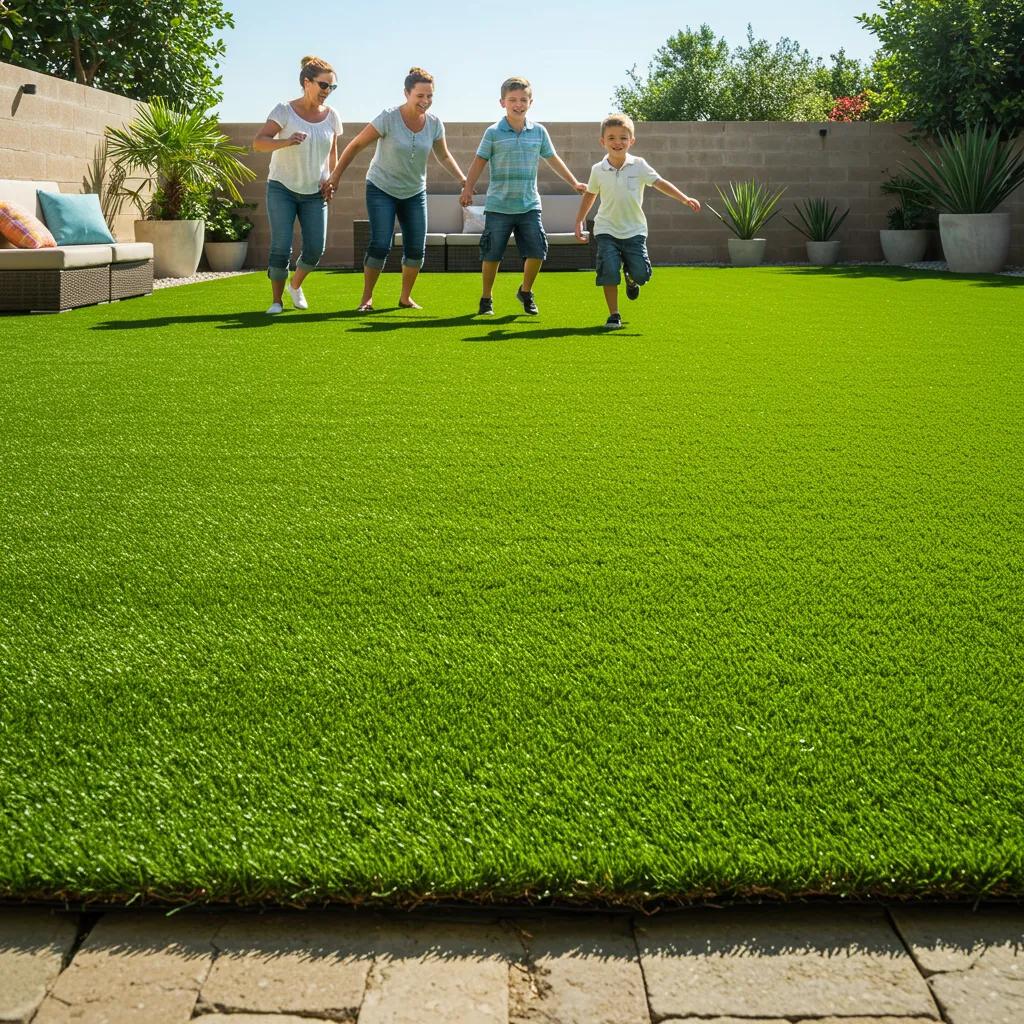
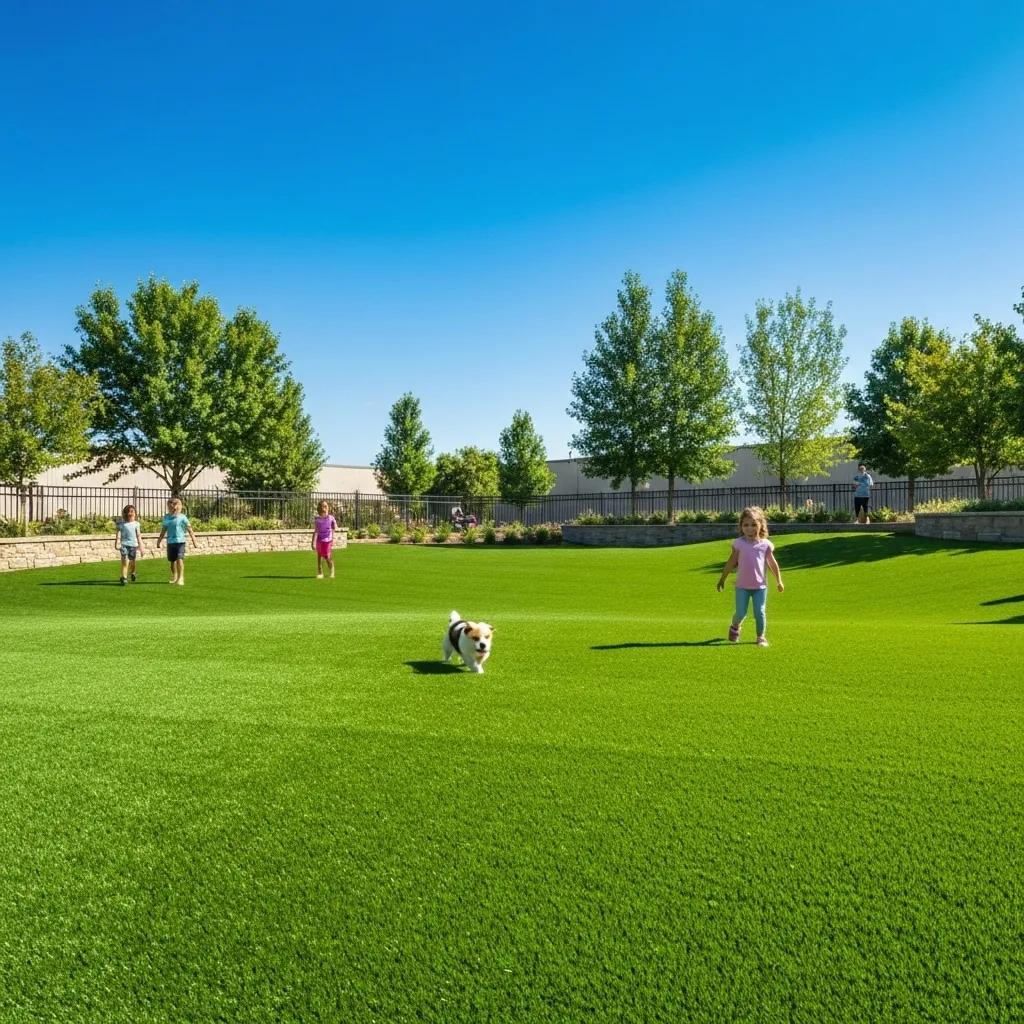
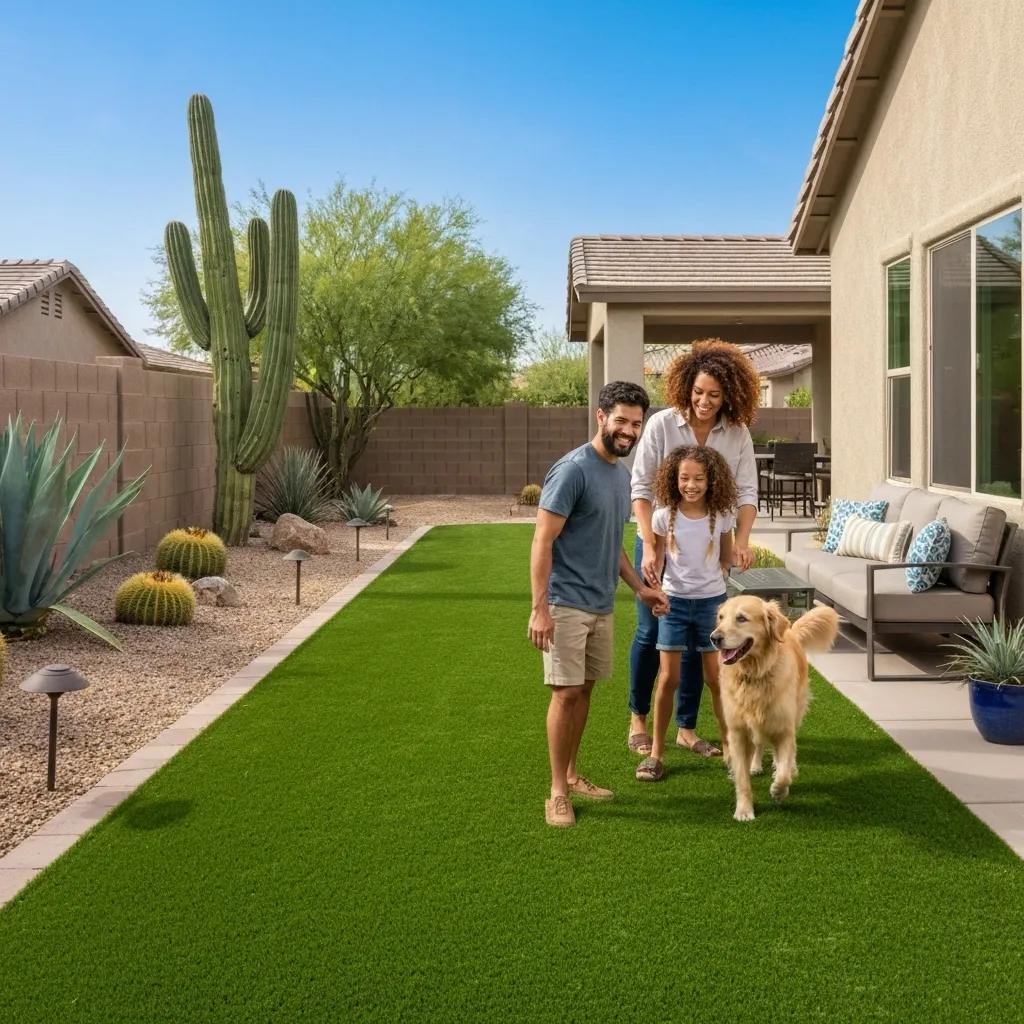
In addition to maintenance savings, synthetic turf provides a consistently lush appearance throughout the year, regardless of weather conditions. It is designed to withstand heavy foot traffic, making it ideal for high-use areas such as playgrounds and sports fields. Furthermore, advancements in technology have led to the development of turf that mimics the look and feel of natural grass, enhancing aesthetic appeal.
Installation Process for Synthetic Turf
The installation of synthetic turf involves several key steps that ensure a successful and long-lasting outcome. Initially, the area must be properly prepared by removing existing vegetation and debris, followed by leveling the ground to create a smooth surface. A base material, often composed of crushed rock or gravel, is then laid down to provide drainage and stability.
Once the base is ready, the synthetic turf is rolled out and cut to fit the designated area. It is secured in place using specialized adhesives or nails, and seams are carefully joined to create a seamless appearance. Finally, infill materials may be added to enhance the turf's durability and provide cushioning. Proper installation is crucial for maximizing the lifespan and performance of synthetic turf.
Comparative Cost Analysis: Synthetic Turf vs. Natural Grass
When considering lawn options, a cost analysis of synthetic turf versus natural grass is essential for making an informed decision. Although the initial investment for synthetic turf can be higher, it typically pays off over time due to reduced maintenance costs and water savings. Homeowners can expect to save on lawn care services and utilities, resulting in significant long-term financial benefits.
Moreover, synthetic turf eliminates the need for fertilizers and pesticides, reducing ongoing expenses and contributing to a healthier environment. In contrast, natural grass requires regular upkeep, which can accumulate costs over the years. A thorough cost comparison can help potential buyers weigh the upfront investment against the long-term savings and benefits associated with synthetic turf.
Choosing the Right Type of Synthetic Turf for Your Needs
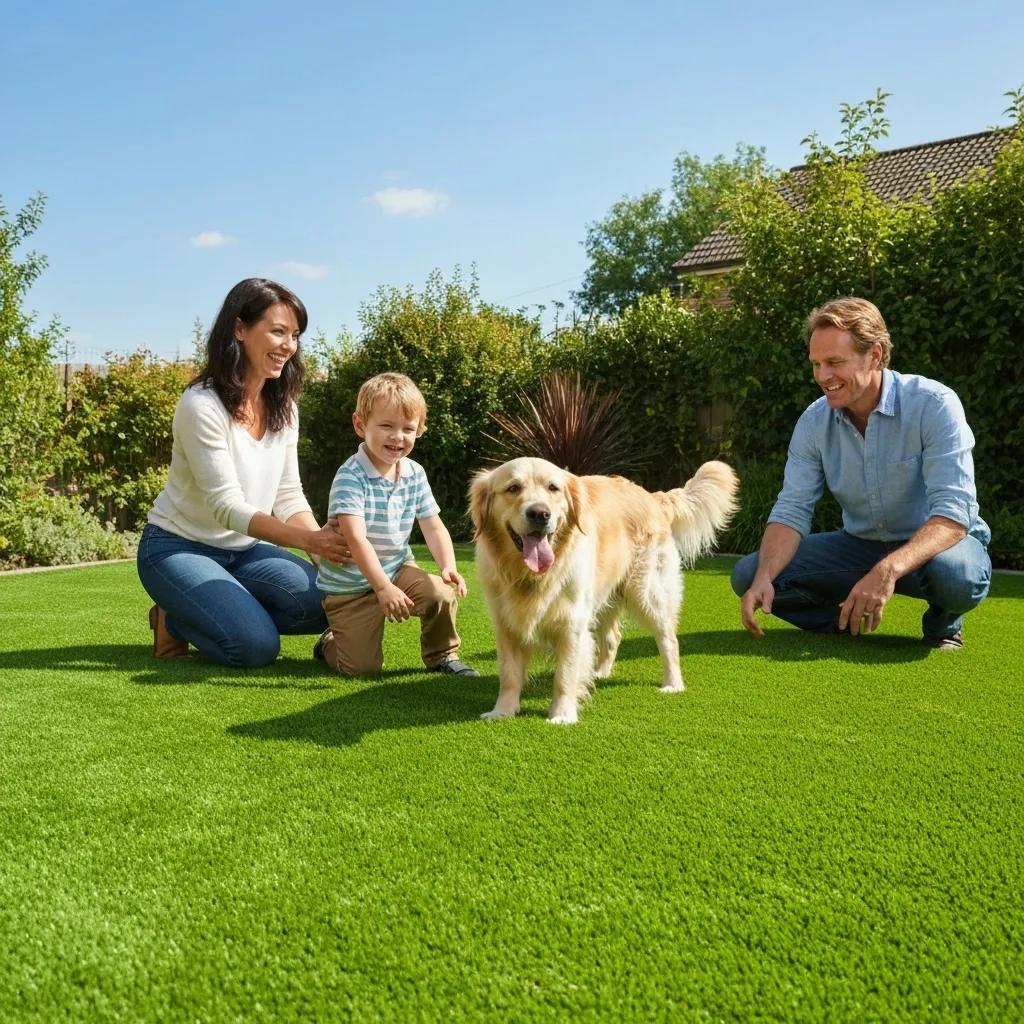
Selecting the appropriate type of synthetic turf is crucial to meet specific needs and preferences. Various options are available, including turf designed for residential lawns, commercial spaces, sports fields, and pet areas. Each type is engineered to provide distinct features, such as enhanced durability, drainage capabilities, or soft textures suitable for pets.
For example, pet-friendly turf often includes antimicrobial properties to minimize odors and ensure easy cleanup. Sports turf is designed for high performance, offering superior traction and resilience for athletes. By understanding the unique characteristics of each turf type, customers can make an informed choice that aligns with their intended use and lifestyle.
Understanding the Benefits of Synthetic Turf
Synthetic turf offers numerous advantages over natural grass, making it an appealing choice for homeowners and businesses alike. One of the primary benefits is its low maintenance requirements, which eliminate the need for regular mowing, watering, and fertilization. This not only saves time but also reduces water consumption, making it an environmentally friendly option.
In addition to maintenance savings, synthetic turf provides a consistently lush appearance throughout the year, regardless of weather conditions. It is designed to withstand heavy foot traffic, making it ideal for high-use areas such as playgrounds and sports fields. Furthermore, advancements in technology have led to the development of turf that mimics the look and feel of natural grass, enhancing aesthetic appeal.
Installation Process for Synthetic Turf
The installation of synthetic turf involves several key steps that ensure a successful and long-lasting outcome. Initially, the area must be properly prepared by removing existing vegetation and debris, followed by leveling the ground to create a smooth surface. A base material, often composed of crushed rock or gravel, is then laid down to provide drainage and stability.
Once the base is ready, the synthetic turf is rolled out and cut to fit the designated area. It is secured in place using specialized adhesives or nails, and seams are carefully joined to create a seamless appearance. Finally, infill materials may be added to enhance the turf's durability and provide cushioning. Proper installation is crucial for maximizing the lifespan and performance of synthetic turf.
Comparative Cost Analysis: Synthetic Turf vs. Natural Grass
When considering lawn options, a cost analysis of synthetic turf versus natural grass is essential for making an informed decision. Although the initial investment for synthetic turf can be higher, it typically pays off over time due to reduced maintenance costs and water savings. Homeowners can expect to save on lawn care services and utilities, resulting in significant long-term financial benefits.
Moreover, synthetic turf eliminates the need for fertilizers and pesticides, reducing ongoing expenses and contributing to a healthier environment. In contrast, natural grass requires regular upkeep, which can accumulate costs over the years. A thorough cost comparison can help potential buyers weigh the upfront investment against the long-term savings and benefits associated with synthetic turf.
Choosing the Right Type of Synthetic Turf for Your Needs
Selecting the appropriate type of synthetic turf is crucial to meet specific needs and preferences. Various options are available, including turf designed for residential lawns, commercial spaces, sports fields, and pet areas. Each type is engineered to provide distinct features, such as enhanced durability, drainage capabilities, or soft textures suitable for pets.
For example, pet-friendly turf often includes antimicrobial properties to minimize odors and ensure easy cleanup. Sports turf is designed for high performance, offering superior traction and resilience for athletes. By understanding the unique characteristics of each turf type, customers can make an informed choice that aligns with their intended use and lifestyle.