
Urban areas are facing increasing challenges in maintaining green spaces due to limited space, high foot traffic, and climate pressures. Artificial turf has emerged as a practical and sustainable solution for transforming these landscapes. By providing a consistently green and low-maintenance surface, artificial turf allows parks, playgrounds, and residential areas to remain visually appealing year-round. Its durability and resistance to weather conditions make it ideal for high-traffic urban settings, where natural grass often struggles to survive. Beyond aesthetics, artificial turf helps reduce water usage and maintenance costs, offering cities a reliable way to enhance outdoor spaces. This transformation redefines how urban landscapes can be both functional and inviting.
Enhancing Urban Parks with Artificial Turf
Artificial turf is reshaping urban parks by providing a consistent, vibrant surface that remains attractive year-round. Unlike traditional grass, it can withstand frequent use and harsh weather while requiring minimal upkeep. Parks equipped with artificial turf allow families and visitors to enjoy recreational spaces without concerns about muddy patches or worn-out areas. The low maintenance and durability make it easier for cities to allocate resources efficiently while maintaining visually appealing parks. By integrating artificial turf, urban planners can design multifunctional areas that accommodate sports, community events, and everyday leisure without sacrificing quality or aesthetics.
Consistent and Vibrant Surfaces
Artificial turf ensures urban parks remain visually appealing throughout the year. Unlike natural grass that can brown or patch in heavy use, artificial turf provides a uniform green appearance regardless of weather or foot traffic. This consistency encourages more frequent use of public spaces by residents and visitors alike.
Withstanding Frequent Use
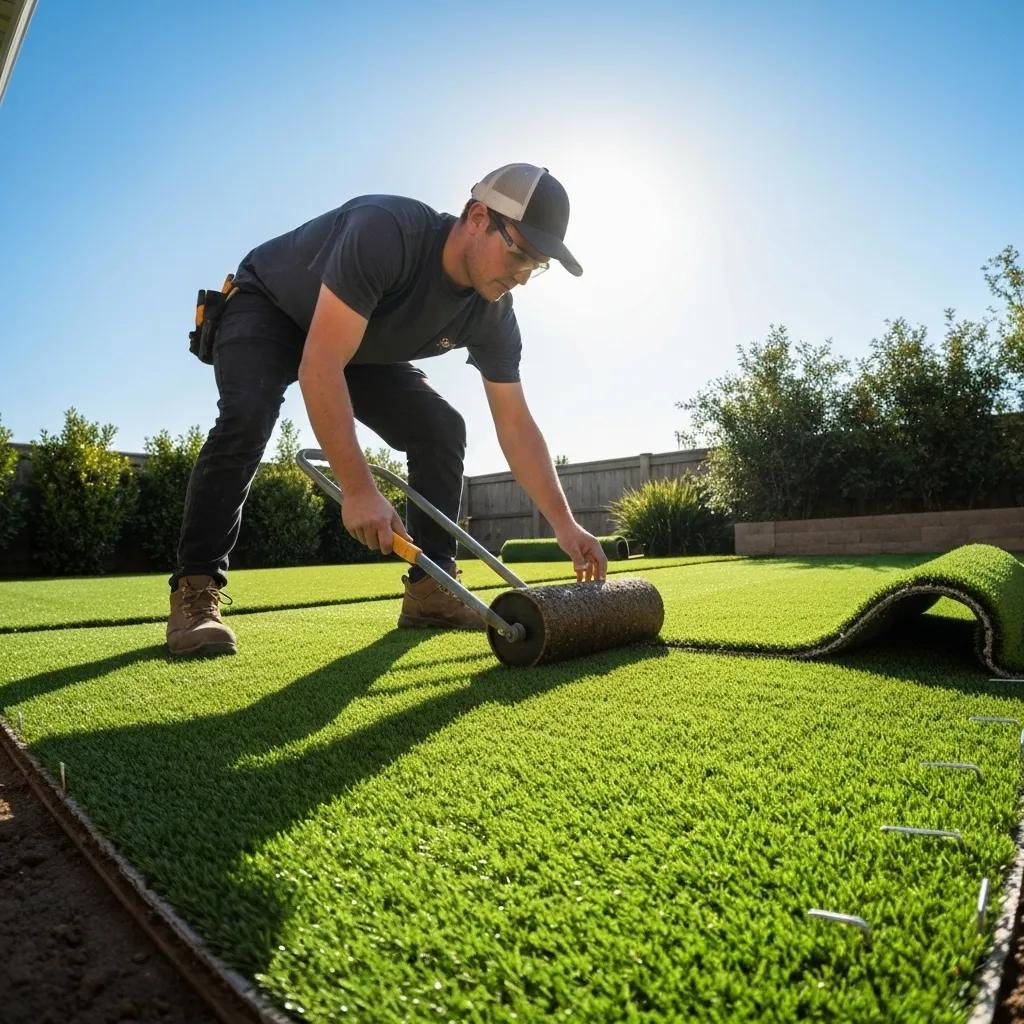
High foot traffic in city parks often damages natural grass, leaving bare patches and mud. Artificial turf is engineered to endure constant activity, maintaining its form and aesthetics. Sports, picnics, and festivals can all take place without fear of ruining the landscape, making parks more resilient and reliable for diverse community activities.
Minimal Upkeep Requirements
Artificial turf reduces maintenance needs significantly. Unlike natural grass, it requires no mowing, fertilizing, or watering. This allows municipalities to allocate time and resources elsewhere while still offering attractive green spaces. Regular brushing and occasional cleaning keep the surface safe and fresh, ensuring that the park remains inviting year-round.
Multifunctional Spaces for Activities
With artificial turf, urban parks can support a variety of recreational and community activities. Sports games, yoga classes, or cultural events can occur without damaging the surface. This flexibility enables planners to maximize the use of limited park space, creating an inclusive environment that accommodates residents of all ages and interests.
Cost-Effective Urban Planning
Installing artificial turf provides long-term savings for cities. Reduced water usage, minimal maintenance, and durability lower overall upkeep costs. In addition, parks remain attractive and functional without frequent renovations. This cost-effectiveness makes artificial turf a practical choice for sustainable urban development and a reliable option for enhancing public green spaces.
Durable Playgrounds for All Seasons
Playgrounds in urban areas face constant wear from children and community activities, often leaving natural grass damaged or unsafe. Artificial turf provides a resilient solution that stays green and smooth throughout the year. Its cushioning properties improve safety, reducing the risk of injuries during active play. Maintenance needs are minimal, allowing playgrounds to remain accessible and attractive regardless of the season. Cities benefit from reduced costs associated with irrigation, mowing, and grass replacement. Artificial turf ensures that recreational spaces are welcoming and functional, giving children a consistent environment for outdoor activity and social interaction throughout the year.
Sustainable Landscaping for Urban Spaces
Artificial turf supports sustainable landscaping in cities by reducing water consumption and eliminating the need for chemical fertilizers or pesticides. Unlike natural grass, it maintains its appearance without relying on extensive resources, helping urban areas reduce environmental impact. The material is long-lasting, decreasing the frequency of replacements and waste associated with natural turf upkeep. Urban planners can incorporate artificial turf into streetscapes, rooftop gardens, and open community areas, creating visually appealing green spaces while conserving resources. This approach balances the need for aesthetics, functionality, and environmental responsibility, making artificial turf a key component of modern sustainable urban design.
Low Maintenance Grounds for Community Areas
Maintaining public lawns and community spaces can be expensive and labor-intensive. Artificial turf offers a practical alternative, providing lush, green surfaces without the ongoing mowing, watering, and fertilizing that natural grass requires. Its durability ensures that high-traffic areas remain pristine, allowing residents to enjoy shared spaces consistently. By reducing the need for maintenance, artificial turf allows local authorities to focus on programming, safety, and amenities rather than constant upkeep. Communities benefit from cleaner, safer, and more visually appealing environments, demonstrating how urban landscapes can remain functional, attractive, and accessible with minimal resource demands.
Year-Round Green Spaces for Residents
Urban areas often struggle to maintain green spaces that remain attractive across all seasons. Artificial turf ensures that lawns, recreational areas, and communal spaces stay vibrant and usable regardless of weather conditions. This consistency enhances the quality of life for residents by providing spaces for relaxation, exercise, and social gatherings throughout the year. Its ability to withstand drought, heat, and heavy foot traffic makes it a reliable option for cities seeking sustainable solutions. Artificial turf transforms urban environments, offering greenery that is both aesthetically pleasing and functional, contributing to healthier, more enjoyable outdoor living experiences for all residents.
Expanding Sports Facilities in Cities
Artificial turf allows cities to expand sports facilities efficiently, offering durable surfaces for soccer, football, and other recreational activities. Traditional grass fields often suffer from wear and require frequent maintenance, limiting their usability. Artificial turf provides a consistent, high-quality playing surface that can handle frequent games and events without deterioration. Its installation increases the availability of safe, reliable sports grounds for schools, clubs, and community leagues. By investing in artificial turf, urban areas can encourage physical activity, foster community engagement, and maximize the functionality of outdoor spaces, ensuring sports facilities remain accessible and inviting throughout the year.
Revitalizing Underused Urban Spaces
Underutilized urban areas can be transformed into vibrant, functional landscapes with artificial turf. Empty lots, rooftop terraces, and walkways gain visual appeal and usability when covered with durable, low-maintenance turf. This approach allows cities to maximize available space, creating green zones that serve recreational, aesthetic, and environmental purposes. Artificial turf provides long-lasting durability and a consistently attractive appearance, helping neighborhoods reclaim areas that were previously neglected. By integrating these surfaces, urban planners can create welcoming outdoor spaces that enhance community well-being, encourage social interaction, and promote a sense of pride in the city’s environment.
Transforming Urban Landscapes with Arturficial WholesaleConclusion
Transforming urban landscapes with artificial turf provides cities with vibrant, durable, and low-maintenance green spaces that residents can enjoy year-round. From parks and playgrounds to community areas and sports fields, artificial turf enhances usability, reduces upkeep, and creates visually appealing environments. Urban planners and property owners in Arizona can take advantage of these benefits to revitalize underused spaces and support sustainable outdoor design.
For more information or to discuss your project, contact Artificial Wholesale in Arizona at 480-712-2504. Our team is ready to help you explore how artificial turf can transform your urban spaces into functional and beautiful landscapes.